Crypto DCA Strategy: How Dollar-Cost Averaging During Extreme Fear Delivered 1,145% Returns
The Fear & Greed Index just hit 14 — Extreme Fear. Historical data shows DCA investors who kept buying during similar periods earned up to 1,145% returns within 24 months. Here's a practical guide to building a DCA plan with real performance data, portfolio allocation, and exit strategies.
The crypto Fear & Greed Index sits at 14 out of 100 today — deep in Extreme Fear territory. Most investors are panic-selling or frozen on the sidelines. But historical data tells a very different story for those who kept buying. Dollar-cost averaging (DCA) during previous extreme fear windows has produced returns as high as 1,145% within 24 months.
This guide breaks down exactly how DCA works in crypto bear markets, what the historical data shows, and how to build a practical DCA plan right now while fear dominates the market.
What Is DCA and Why Does It Work in Crypto?
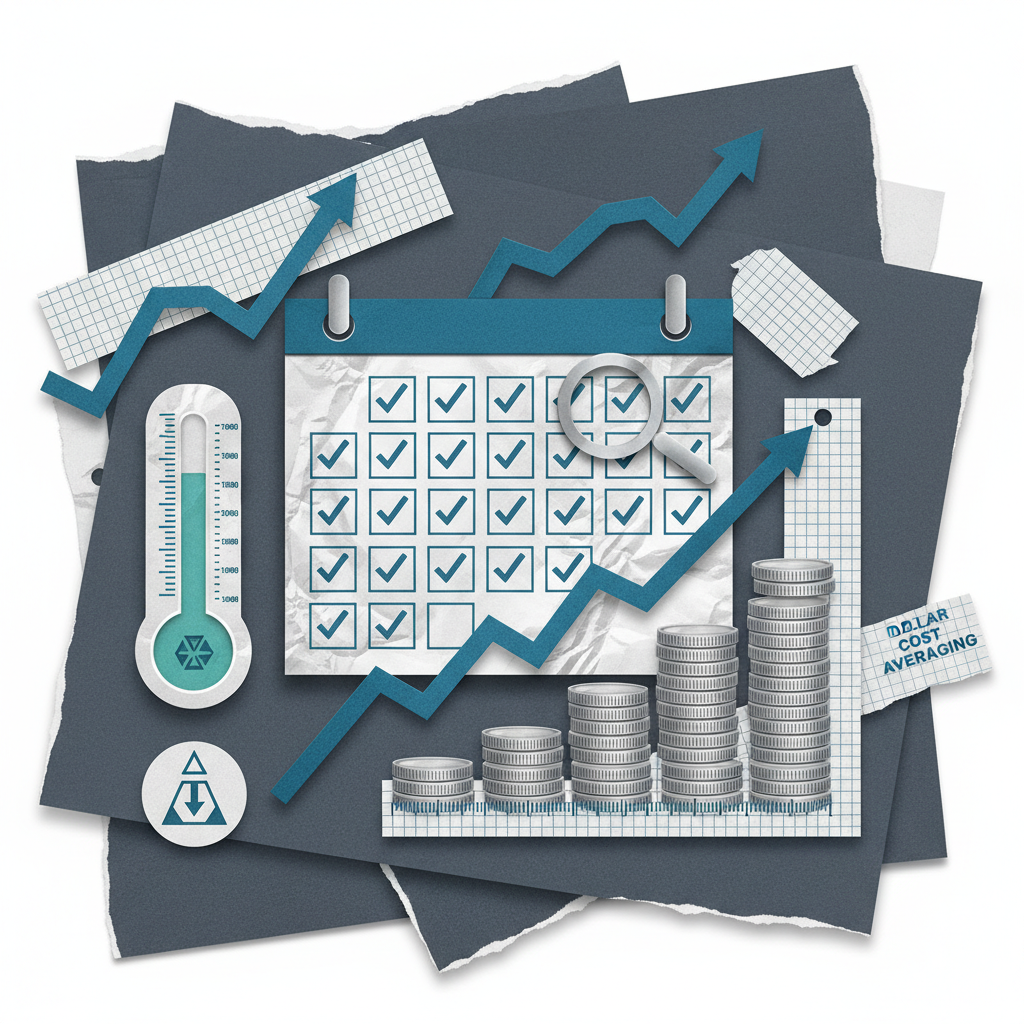
Dollar-cost averaging is the practice of investing a fixed dollar amount into an asset at regular intervals — weekly, biweekly, or monthly — regardless of price. Instead of trying to time the perfect bottom, you spread your purchases across time.
In traditional markets, DCA is a steady, conservative approach. In crypto, it becomes a powerful asymmetric bet. The extreme volatility that terrifies most investors actually amplifies DCA returns. When prices crash 50–80%, your fixed dollar amount buys dramatically more coins. When prices recover — and historically, Bitcoin has always recovered from major drawdowns — those heavily discounted purchases multiply in value.
The key psychological advantage: DCA removes the impossible task of calling the bottom. Nobody consistently picks the exact low. But you don't need to. You just need to keep buying while others are selling.
Historical DCA Performance During Extreme Fear
Let's look at what happened when investors started weekly $100 DCA plans during previous Extreme Fear periods (Fear & Greed Index below 20).
| Extreme Fear Period | BTC Price Range | Fear & Greed Low | Total Invested ($100/week) | Portfolio Value at 24-Month Mark | ROI |
|---|---|---|---|---|---|
| Mar 2020 (COVID Crash) | $4,800 – $6,500 | 8 | $10,400 | $119,080 | +1,145% |
| Jun 2022 (LUNA/3AC Collapse) | $17,600 – $21,000 | 6 | $10,400 | $38,480 | +270% |
| Nov 2022 (FTX Crash) | $15,500 – $17,000 | 10 | $10,400 | $52,000 | +400% |
| Jan 2025 (Rate Fears) | $38,000 – $42,000 | 18 | $5,200 (1 yr so far) | $8,736 | +68% (ongoing) |
| Mar 2026 (Current) | $67,148 | 14 | Starting now | TBD | ? |
The pattern is remarkably consistent: every single Extreme Fear period that lasted more than two weeks eventually marked a major accumulation zone. The March 2020 crash delivered the best returns because the fear was deepest and the recovery was fastest, but even the 2022 periods — which felt hopeless at the time — produced triple-digit gains for patient DCA investors.
Current Market Snapshot: Why Fear Is Elevated
As of March 1, 2026, the market shows classic signs of capitulation-phase fear:
- Total Market Cap: $2.39 trillion — down significantly from recent highs
- BTC Dominance: 56.1% — capital is fleeing altcoins back to Bitcoin (a typical fear signal)
- Fear & Greed Index: 14 (Extreme Fear), up just 3 points from yesterday
- Funding Rates: BTC at 0.0046%, ETH at 0.0050% — both near neutral, showing leveraged longs have been flushed out
However, today's bounce is notable. BTC is up 5.32% to $67,148, ETH has surged 7.70% to $2,007, and SOL leads with a 10.22% jump to $87. These sharp green candles during extreme fear often signal that selling pressure is exhausting itself — exactly the environment where DCA historically performs best.
How to Build a DCA Plan Right Now
Here is a practical framework for starting a crypto DCA strategy during the current Extreme Fear market.
Step 1: Set Your Budget
Only invest money you can afford to leave untouched for 12–24 months. A common starting point is 5–10% of your monthly savings. If that's $400/month, consider splitting it into weekly $100 buys for better price averaging.
Step 2: Choose Your Assets
During extreme fear, concentration beats diversification. Focus on assets most likely to survive and recover. Based on current liquidity and market structure, here is a suggested allocation:
| Asset | Current Price | Suggested Allocation | Rationale |
|---|---|---|---|
| BTC | $67,148 | 50% | Highest survival probability, institutional backing, ETF flows |
| ETH | $2,007 | 25% | Smart contract leader, staking yield, undervalued vs BTC ratio |
| SOL | $87 | 15% | Fastest-growing ecosystem, strong developer activity |
| XRP | $1.40 | 10% | Regulatory clarity post-settlement, cross-border payment utility |
Step 3: Automate and Forget
Set up recurring buys on your exchange of choice. Most major platforms — Binance, Coinbase, Kraken — support automated recurring purchases. The entire point of DCA is removing emotion from the equation. Set it, then stop checking prices daily.
Step 4: Define Your Exit Strategy
DCA without an exit plan is incomplete. Consider these sell triggers:
- Fear & Greed Index above 80 (Extreme Greed): Start taking 10–20% profits monthly
- Portfolio hits 3x your total investment: Sell enough to recover your original capital
- Time-based: After 24 months, re-evaluate regardless of price
Common DCA Mistakes to Avoid
Stopping during deeper dips. The worst thing you can do is start a DCA plan and then freeze when prices drop further. That's exactly when your dollars buy the most. If you started DCA at Bitcoin $67,000 and it drops to $50,000, your newer purchases are 25% cheaper — that's the strategy working as designed.
Over-allocating to small-cap altcoins. During fear markets, many altcoins lose 90–95% and never recover. Stick to top-10 assets by market cap for your DCA core. Speculative bets should be separate from your DCA plan.
Checking your portfolio too often. DCA is a long-term strategy. Checking daily P&L during a bear market creates emotional pressure to stop buying. Check monthly at most.
Using leverage. Funding rates are low right now (BTC 0.0046%), which might tempt leveraged positions. Resist. DCA is about steady accumulation, not amplified risk. Leverage can liquidate your position before the recovery arrives.
The Math Behind DCA vs. Lump Sum in Volatile Markets
Academic research shows that lump-sum investing beats DCA roughly 65% of the time in traditional markets because markets trend upward. But in crypto, the calculus shifts. Bitcoin's average drawdown from all-time highs is approximately 50%, and drawdowns of 70–80% have occurred four times. In markets with this level of volatility, DCA significantly reduces the risk of buying a local top.
Consider this scenario: An investor with $10,000 to deploy in March 2026. If they lump-sum at today's $67,148 BTC price and BTC drops another 30% (to ~$47,000), they're sitting on a $3,000 loss and severe psychological pressure to sell. If instead they DCA $385/week over 26 weeks, their average entry price would be approximately $57,000 — 15% lower than the lump-sum entry — and they never experienced the full emotional impact of the drawdown.
FAQ
How much should I invest per week in a crypto DCA plan?
There is no universal answer, but a common guideline is 5–10% of your monthly disposable income. Start with an amount small enough that you won't feel pressured to stop if prices drop another 30–50%. Consistency matters more than size. Even $25 per week during the 2020 COVID crash would have grown to over $29,000 by March 2022.
Is DCA better than trying to buy the exact bottom?
For the vast majority of investors, yes. Studies show that even professional traders rarely time exact bottoms. The difference in returns between buying the absolute low versus DCA over a 3-month window around the low is typically only 10–15%, while the risk of mistiming and buying too early or too late is substantial. DCA eliminates timing risk entirely.
Should I DCA into altcoins or just Bitcoin?
During Extreme Fear markets, Bitcoin should be your primary DCA target (at least 50% allocation). Bitcoin has a 100% historical recovery rate from major drawdowns. Many altcoins from previous cycles — including former top-20 coins — never recovered to their highs. If you include altcoins, stick to ETH, SOL, and other top-10 assets with strong fundamentals and active development.
When should I stop my DCA plan?
Consider pausing or reducing DCA when the Fear & Greed Index consistently stays above 70–80 (Greed/Extreme Greed) for multiple weeks. This typically indicates the market is overheated. However, do not stop during temporary bounces within an overall fear-dominated period. The current index reading of 14 suggests we are far from that point.
What if the market keeps dropping after I start DCA?
That is actually the ideal scenario for DCA. Further drops mean your fixed dollar amount buys more coins at lower prices, reducing your average cost basis. The March 2020 example is instructive — BTC dropped from $9,000 to $4,800 (a 47% crash) before recovering. Investors who DCA'd through the entire drop achieved significantly better returns than those who started buying only after the recovery was obvious.