2026 Crypto Wallet & Exchange Guide for Beginners: Your Secure Start to Digital Assets
Navigating the 2026 crypto market as a beginner? This guide details how to choose the safest, most user-friendly crypto wallets and reliable exchanges for successful digital asset management.
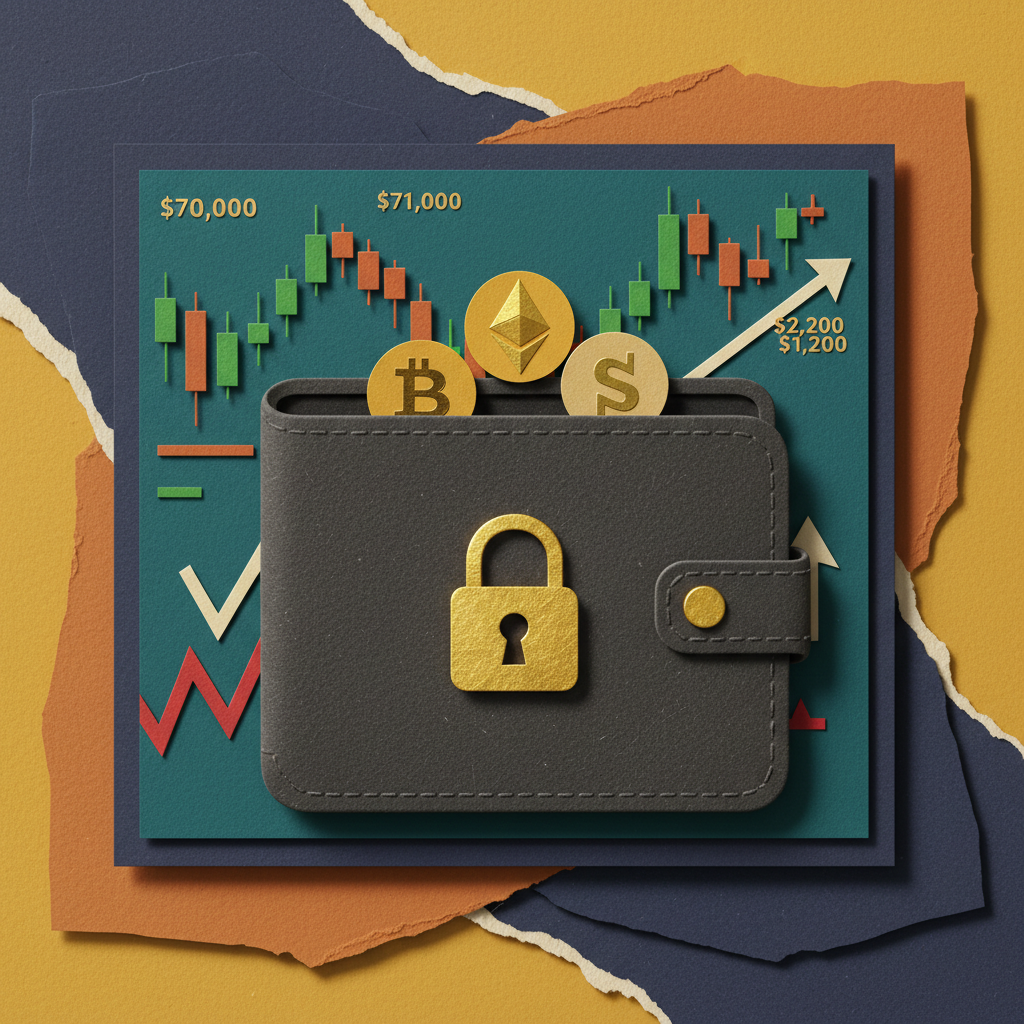
The global cryptocurrency market continues its remarkable growth trajectory in 2026, drawing in countless new investors eager to explore the dynamic world of digital assets. However, the most crucial first step in crypto investment is undoubtedly choosing a 'secure wallet' and a 'reliable exchange.' An ill-informed decision can lead to significant loss of valuable assets, making it imperative for novice investors to make wise choices based on accurate information.
As blockchain technology embeds itself deeper into our lives, cryptocurrency has evolved beyond a speculative asset to become a cornerstone of a new financial paradigm. In this wave of transformation, understanding how to safely store and efficiently trade digital assets has become essential knowledge for every investor. This comprehensive guide aims to equip those entering the crypto market for the first time in 2026 with all the necessary information about crypto wallets and exchanges, ensuring they can confidently take their first steps without confusion.
Recent historical events, such as the catastrophic collapse of the FTX exchange in 2022, served as a stark reminder of the crypto industry's enduring adage: 'Not your keys, not your coins.' This adage profoundly underscored the critical importance of self-custody and proper wallet management. Furthermore, with hacking techniques and phishing scams constantly evolving, keeping abreast of the latest security knowledge is paramount. Spoted Crypto is dedicated to providing practical assistance through this article, helping beginner investors manage their digital assets securely and embark on a successful cryptocurrency journey.
Key Takeaways for a Secure Crypto Start
- A cryptocurrency wallet is an essential tool for storing the private keys to your digital assets, categorized into hot and cold wallets.
- Hot wallets offer convenience but are susceptible to online threats, while cold wallets provide superior security for long-term storage.
- Non-custodial wallets grant users direct control over their private keys, ensuring true ownership of their assets.
- Recommended wallets for beginners in 2026 include Ledger, Trezor (hardware), and MetaMask, Trust Wallet, Exodus, Atomic Wallet (software).
- Selecting a secure exchange requires considering security measures, fee structures, supported cryptocurrencies, liquidity, and user experience.
- Adhering to fundamental security practices like seed phrase management, enabling two-factor authentication (2FA), and safeguarding against phishing is crucial for asset protection.
- The cryptocurrency market is in constant evolution; continuous learning and information acquisition are vital for successful investment.
Understanding Crypto Wallets: Why They Matter and Their Types
A cryptocurrency wallet differs significantly from a physical wallet that holds cash. It is a software program or hardware device designed to securely store your 'private keys,' which are cryptographic codes that grant access to your digital assets on the blockchain network. These private keys prove your ownership of assets and are essential for sending or receiving cryptocurrency. Losing or having your private keys stolen means irrevocably losing your assets, making the choice and management of your wallet the most critical factor in the success of your crypto investments.
Crypto wallets are primarily classified based on their internet connectivity: 'Hot Wallets' and 'Cold Wallets.' Hot wallets are consistently connected to the internet, offering the convenience of easy trading and seamless integration with various decentralized applications (dApps). Examples include mobile or desktop wallets like MetaMask, Trust Wallet, and Exodus, as well as web wallets provided by exchanges. However, their online nature exposes them to higher risks from cyber threats such as hacking, malware, and phishing attacks.
Conversely, cold wallets store private keys completely offline, providing the highest level of security. They are typically ideal for storing large amounts of assets long-term, with hardware wallets (e.g., Ledger, Trezor) and paper wallets being prime examples. While cold wallets may involve a manual authentication step for each transaction, their offline environment effectively shields assets from online hacking attempts.
Furthermore, wallets can be categorized by asset control: 'Custodial' and 'Non-Custodial' wallets. Custodial wallets involve a third party, such as an exchange, managing your private keys. While convenient, this exposes users to the risks associated with centralized entities, as tragically demonstrated by the FTX collapse. In contrast, non-custodial wallets grant users complete control over their private keys, embodying the true spirit of digital asset ownership. While initially more challenging for beginners, mastering non-custodial wallet usage is crucial for long-term security and autonomy in the crypto space. It’s a fundamental principle that empowers you with full sovereignty over your digital wealth.
2026 Recommended Crypto Wallets for Beginners
In 2026, the crypto market offers a plethora of wallets with diverse features and security levels. For beginners, striking a balance between robust security and ease of use is paramount. Here are some top recommended wallets for those new to crypto:
Hardware Wallets (Cold Wallets)
Hardware wallets represent the gold standard for security, ideal for long-term storage of significant crypto holdings. They keep your private keys isolated from internet-connected devices, making them virtually impervious to online hacks.
- Ledger: A household name in hardware wallets, Ledger offers various models like the Nano S Plus, Nano X, and Stax. These devices utilize a secure chip and offline private key storage to minimize hacking risks. They support a wide array of coins and NFTs, with convenient asset management via the Ledger Live app. While initial setup might seem complex, Ledger is an optimal choice for beginners looking to secure substantial assets. Its robust design and continuous security updates make it a cornerstone of crypto security.
- Trezor: Alongside Ledger, Trezor dominates the hardware wallet market. Models like the Trezor Model One and Model T are notable for their open-source nature, promoting transparency and community scrutiny. Trezor provides strong offline security similar to Ledger and boasts an intuitive interface, making it accessible even for novice users. The commitment to open-source development further enhances trust and allows for continuous improvement by a global community of developers.
Software Wallets (Hot Wallets)
Software wallets offer greater convenience for frequent transactions and interacting with decentralized applications (dApps). While connected to the internet, reputable software wallets employ strong encryption and security protocols.
- MetaMask: The most widely used web browser extension and mobile app wallet within the Ethereum-based dApp ecosystem. Its simple installation and intuitive interface allow beginners to easily manage Ethereum, ERC-20 tokens, and NFTs, and participate in various DeFi services. Due to its online connectivity, users must exercise particular caution regarding security, always verifying transaction details and avoiding suspicious links. MetaMask is a gateway to the vast world of decentralized finance and Web3 applications, making it an indispensable tool for many.
- Trust Wallet: Acquired by Binance, Trust Wallet is a mobile-first solution renowned for its exceptionally user-friendly interface. It supports over 4,500 digital assets across more than 65 blockchains, including Bitcoin, Ethereum, and Solana, offering extensive compatibility. With a built-in dApp browser, it's easy to explore diverse decentralized services directly from the wallet, making it an excellent all-in-one solution for mobile users.
- Exodus: This desktop and mobile wallet stands out with its visually appealing interface and straightforward functionalities. Exodus supports a wide range of cryptocurrencies and features an integrated exchange, allowing users to conveniently swap coins within the wallet. It also offers integration with Trezor hardware wallets, adding an extra layer of security for users who want the best of both worlds. The elegant design makes managing a diverse portfolio a pleasure.
- Atomic Wallet: A decentralized software wallet offering multi-currency support, built-in exchange, and staking features. Atomic Wallet can be a good choice for both beginners and experienced users looking to manage various assets from a single interface. Its atomic swap technology aims to facilitate direct peer-to-peer cryptocurrency exchanges without intermediaries.
Choosing a Secure and Reliable Cryptocurrency Exchange in 2026
Equally as important as selecting a reliable wallet is choosing a trustworthy cryptocurrency exchange. Exchanges serve as marketplaces where you can buy and sell cryptocurrencies, acting as the primary gateway for beginners to purchase crypto with fiat currency. The following criteria are essential when selecting an exchange:
- Security: Exchange security must be the top priority. Verify features like two-factor authentication (2FA), the use of cold storage for the majority of assets, and whether the exchange holds insurance to protect user funds. It's also crucial to check for any past hacking incidents and whether they possess credible security certifications, such as ISO 27001 or SOC 2. High-profile hacks like Mt. Gox in 2014 or Coincheck in 2018 underscore the critical importance of robust security measures.
- Fee Structure: Trading, deposit, and withdrawal fees directly impact your profitability. Compare maker and taker fees, and investigate any volume-based discounts or options to reduce fees using the exchange's native token. Hidden fees can quickly erode profits, so transparency is key.
- Supported Cryptocurrencies: Ensure that the cryptocurrencies you intend to invest in are listed on the exchange. For beginners, an exchange offering a stable service with a focus on major coins might be more suitable than one supporting an overwhelming number of obscure altcoins.
- Liquidity and Trading Volume: Exchanges with high liquidity and significant trading volume offer the advantage of quick buy/sell orders at desired prices. This is extremely important in the volatile crypto market, as it minimizes slippage and ensures efficient execution of trades.
- User Interface (UI/UX): A beginner-friendly, intuitive interface significantly simplifies the trading process. Opt for exchanges that provide a clear and straightforward trading environment rather than overly complex charts or features. Ease of navigation reduces the learning curve and potential for errors.
- Customer Support: Prompt and efficient customer support is essential when issues arise. Verify if the exchange offers support through various channels, such as live chat, email, or phone. A responsive support team can be a lifesaver during critical moments.
- Regulatory Compliance: Choosing an exchange that complies with regulations in its operating jurisdictions is vital for safety and peace of mind. Many reputable exchanges adhere to KYC (Know Your Customer) and AML (Anti-Money Laundering) procedures, providing a layer of protection against illicit activities. For instance, major exchanges in regions like the EU or US are subject to strict financial oversight.
Globally, major exchanges include Binance, Kraken, and Coinbase, each with distinct features and strengths. For example, Binance is known for its vast array of altcoins and derivatives, while Coinbase and Kraken are often favored for their regulatory compliance and ease of use in Western markets. It's crucial to carefully select an exchange that aligns with your investment goals. Spoted Crypto provides various guides and analyses to help investors make informed decisions based on this information. Explore our exchange reviews for more detailed insights.
Essential Precautions for Using Crypto Wallets and Exchanges
Even with the best wallet and exchange, failing to adhere to basic security protocols can lead to the loss of your precious assets. Here are crucial precautions every beginner investor must remember:
- Safeguard Your Seed Phrase (Recovery Phrase): The seed phrase, a combination of 12 or 24 words provided when you create a non-custodial wallet, is the master key to recover all your assets. Never store it online or share it with anyone. Write it down physically on paper and store it in a secure location, like a safe, ideally with multiple backups in separate, secure places. Losing this phrase means losing access to your funds forever, while someone else gaining access means they can steal your assets.
- Enable Two-Factor Authentication (2FA): Always activate 2FA for your exchange accounts and wallets. This adds an extra layer of security beyond your password. App-based 2FA, such as Google Authenticator or Authy, is generally considered more secure than SMS-based 2FA, which can be vulnerable to SIM-swap attacks.
- Beware of Phishing and Scams: The crypto market is rife with phishing websites, fake wallet apps, and fraudulent airdrops. Always verify the official website's URL, and never click on suspicious links or open unsolicited emails. Scammers often impersonate legitimate platforms, so vigilance is your best defense. Double-check every detail before interacting with any crypto-related platform.
- Use Strong, Unique Passwords: Employ long, complex, and unique passwords for all your accounts, and make a habit of changing them periodically. Utilizing a reputable password manager can significantly enhance your security posture, generating and storing strong passwords securely.
- Keep Software Updated: Always update your wallet apps, exchange apps, and operating systems to their latest versions. These updates often include critical security patches that protect against newly discovered vulnerabilities. Running outdated software is like leaving your digital front door unlocked.
- Start Small and Learn Continuously: Instead of investing a large sum initially, start with a small amount to get comfortable with wallet and exchange operations. The crypto market evolves rapidly, so continuously educate yourself on relevant news, technological advancements, and market dynamics to enhance your understanding.
- Utilize Verified Services: When transferring assets between different blockchain networks, use only verified and reputable bridging platforms. For instance, Spoted Crypto's secure bridge solutions offer a trusted way to navigate multi-chain environments safely.
Future Outlook: The Evolving Landscape of Crypto Wallets and Exchanges
The cryptocurrency market is a hotbed of innovation, with wallet and exchange services continuously evolving alongside technological advancements. Beyond 2026, we anticipate the emergence of even more user-friendly and secure services. For example, AI-driven security systems are expected to become more sophisticated, leveraging advanced analytics to detect anomalous transaction patterns and flag potential threats in real-time. This could significantly enhance asset protection and fraud prevention.
The burgeoning growth of Decentralized Finance (DeFi) will further amplify the importance of Decentralized Exchanges (DEXs) and non-custodial wallets. As users increasingly seek to maintain complete control over their assets and engage in peer-to-peer trading without intermediaries, the demand for robust, self-custodial solutions will soar. We may also see the rise of innovative wallet solutions designed for AI agents operating as economic entities within the blockchain ecosystem, aligning with standards like ERC-8004. This represents a paradigm shift towards autonomous economic activity on the blockchain.
Furthermore, as the multi-chain environment becomes more prevalent, the need for integrated wallet solutions capable of managing assets across various blockchain networks from a single interface will increase. This will simplify the user experience and reduce the complexity of interacting with diverse ecosystems. Spoted Crypto is committed to continuously innovating and providing optimal solutions to users amidst these transformative market shifts, ensuring you're always at the forefront of secure and efficient crypto management. Stay ahead with our analysis of future crypto trends.
Key Pointers for Beginner Investors to Ensure a Successful Start
The cryptocurrency market offers attractive opportunities but comes with inherent volatility and risks. To successfully navigate this market, beginner investors must remember these crucial points:
- Phased Learning and Small Investments: You don't need to know everything at once. Start by learning the basics, such as creating a wallet, making small purchases, and executing simple transfers, gradually building your experience.
- The Importance of Risk Management: Diversify your investments to mitigate risk, and only invest funds you can afford to lose. Avoid 'all-in' strategies at all costs. A common rule of thumb, often cited by financial experts like those at Bloomberg, is to never invest more than 5-10% of your total portfolio in highly volatile assets like crypto.
- Fact-Checking in an Information Overload: Do not blindly trust information from social media or online communities. Always cultivate the habit of verifying facts through authoritative sources like CoinDesk, Reuters, or reputable institutional data. Misinformation can lead to costly mistakes.
- Effort Towards Technical Understanding: Strive to understand the fundamental technical principles, such as what Bitcoin is, how blockchain works, and the basics of smart contracts. This foundational knowledge will help you anticipate market changes and make more informed investment decisions, rather than relying solely on hype.
- Maintain a Long-Term Perspective: Instead of reacting impulsively to short-term price fluctuations, focus on the long-term value and revolutionary potential that cryptocurrencies offer. Many seasoned investors and analysts, including those frequently quoted in CoinDesk, advocate for a long-term HODL (Hold On for Dear Life) strategy in crypto.
Cryptocurrency investments should always be made based on your own judgment and at your own risk. Leverage Spoted Crypto Premium Analysis to gain in-depth market data and expert insights, enabling you to make more informed investment decisions. Spoted Crypto is always here to support your successful cryptocurrency journey.
Frequently Asked Questions
Q1: What is the difference between a crypto wallet and an exchange wallet?
A1: A crypto wallet (especially a non-custodial one) allows you to directly own and manage your private keys, whereas an exchange wallet is a custodial wallet where the exchange manages your private keys on your behalf. While exchange wallets offer convenience, they carry the risk of asset loss if the exchange is hacked or goes bankrupt. Personal wallets, conversely, provide complete control over your assets, but the responsibility for private key management rests entirely with the user.
Q2: Is a hardware wallet essential for beginners?
A2: Hardware wallets offer the highest level of security and are strongly recommended for beginners who plan to store significant amounts of assets securely for the long term. While there's an initial cost, they are highly effective in protecting assets from hacking risks. When starting with small investments, a mobile or desktop hot wallet can be sufficient, but you should consider transferring to a hardware wallet as your asset holdings grow.
Q3: What are the most important criteria when choosing a cryptocurrency exchange?
A3: The most critical criteria when selecting a cryptocurrency exchange are 'security' and 'regulatory compliance.' You must verify the exchange's security systems (e.g., 2FA, cold storage) to protect against hacking and fraud, as well as its licenses or certifications from credible regulatory bodies. After these, you can consider factors such as fees, supported cryptocurrencies, liquidity, and user experience.