Bitcoin Spot ETFs in 2026: The Complete Beginner's Guide to Safe Crypto Investing
Bitcoin spot ETFs have revolutionized crypto investing since their 2024 approval. In February 2026, U.S. Bitcoin ETFs recorded back-to-back inflows for the first time in a month. Here's everything beginners need to know.

The approval of Bitcoin spot ETFs by the U.S. Securities and Exchange Commission (SEC) in January 2024 stands as one of the most pivotal moments in cryptocurrency history. Fast forward to February 2026, and Bitcoin spot ETFs are once again capturing market attention by recording back-to-back inflows for the first time in a month. This signals that institutional investors view recent market weakness as a buying opportunity. Yet many newcomers to crypto remain confused about what Bitcoin ETFs are and how to invest in them safely. This comprehensive guide breaks down everything beginners need to know about spot ETFs—from the basics to real-world investment strategies—so you can start your crypto journey with confidence.
What Are Bitcoin Spot ETFs? Understanding the Fundamentals
ETF stands for "Exchange-Traded Fund"—a financial instrument that trades on stock exchanges like regular stocks. A Bitcoin spot ETF is a fund backed by actual Bitcoin that investors can buy and sell just like any equity security. The key word here is "spot," meaning the fund holds real Bitcoin, not derivatives or futures contracts.
Before spot ETFs existed, investing in Bitcoin required opening a cryptocurrency exchange account, completing complex Know-Your-Customer (KYC) verification, and managing your own digital wallet—a process that intimidated many traditional investors. The technical complexity and security concerns created a barrier to entry for institutional capital and mainstream adoption.
On January 10, 2024, when the SEC approved the first Bitcoin spot ETFs, financial markets hailed it as a "game changer." For the first time, someone could invest in Bitcoin through their existing brokerage account—the same account they use for stocks and bonds. No cryptocurrency exchange required. No private key management. No wallet worries.
The elegance of spot ETFs lies in their simplicity. You buy Bitcoin the same way you buy Apple stock: through your broker's trading platform, using money from your existing investment account. The fund operator holds the actual Bitcoin in secure vaults and custody services, while you simply own shares of that fund. It's a bridge between the traditional financial world and the cryptocurrency ecosystem.
Why the 2024 Bitcoin Spot ETF Approval Changed Everything
The SEC's approval wasn't merely a regulatory checkpoint—it represented official U.S. government recognition of Bitcoin as a legitimate asset class. The market responded decisively. Bitcoin spot ETF assets under management surged from zero to over $100 billion within months, making it one of the fastest capital accumulations in investment history.
As of 2026, major Bitcoin spot ETF providers—BlackRock's iShares Bitcoin Trust (IBIT), Fidelity's Wise Origin Bitcoin Fund (FBIT), Grayscale Bitcoin Mini Trust (BTC), and Invesco's offerings—collectively manage over $100 billion in assets. For context, gold ETFs took years to accumulate similar capital. Bitcoin did it in months.
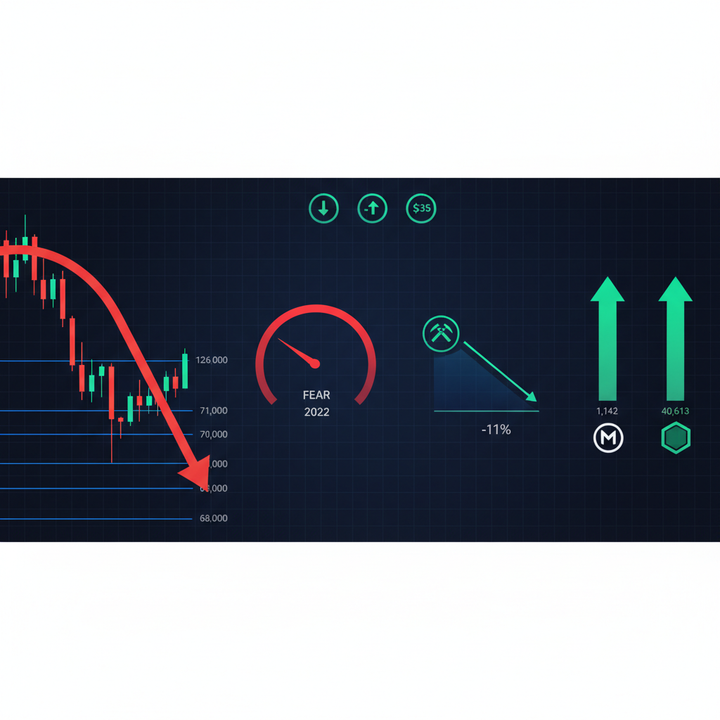
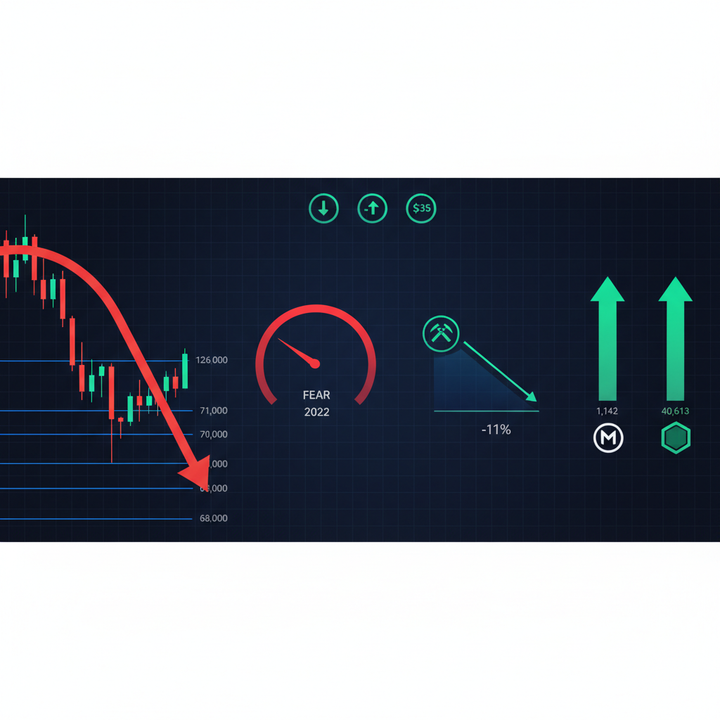
The institutional response proved swift. MicroStrategy CEO Michael Saylor, long a Bitcoin advocate, accelerated purchases. When Bitcoin fell 45% from its $126,000 October high to $68,000 in early February 2026, did institutions panic-sell? No. Instead, figures like Saylor doubled down, purchasing 1,142 Bitcoin at an average price of $78,815—a $90 million commitment at market weakness.
This behavior offers a crucial signal to beginners: when professional money managers see Bitcoin weakness as a buying opportunity rather than a selling signal, it suggests the asset has achieved genuine institutional acceptance. Compare this to 2017-2018, when institutional investors largely avoided Bitcoin. The difference is profound.
How to Invest in Bitcoin Spot ETFs: A Step-by-Step Guide
One of the greatest advantages of spot ETFs is their accessibility. Here's the complete process:
Step 1: Open a Brokerage Account You'll need a standard stock brokerage account that supports U.S. equity trading. For U.S. residents, virtually any major broker works—Charles Schwab, Fidelity, E*TRADE, Robinhood, and hundreds of others. International investors can use brokers that offer U.S. market access. Account opening typically takes 1-3 business days.
Step 2: Fund Your Account Deposit money into your brokerage account through your bank. You can deposit in your local currency if your broker offers currency conversion, or in U.S. dollars. The funding process usually takes 1-2 business days for standard transfers.
Step 3: Search for Bitcoin ETFs In your broker's stock search function, look up the major Bitcoin spot ETFs:
• BlackRock iShares Bitcoin Trust (Ticker: IBIT) - Largest by assets under management ($50+ billion)
• Fidelity Wise Origin Bitcoin Fund (Ticker: FBIT) - Second largest with institutional backing
• Grayscale Bitcoin Mini Trust (Ticker: BTC) - Well-established, $20+ billion AUM
• Invesco QQQ Bitcoin Trust (Ticker: QBTC) - Smaller but reputable option
• WisdomTree Bitcoin Fund (Ticker: BTCW) - Alternative with low fees
IBIT and FBIT are generally recommended for beginners due to their size, liquidity, and low expense ratios (0.2-0.25% annually).
Step 4: Place Your Order Select your desired ETF and decide how many shares to buy. As of February 2026, IBIT trades around $48-50 per share. A $500 investment buys roughly 10 shares. Many brokers now offer fractional shares, so you can invest even smaller amounts—$50 or $100 to start.
Step 5: Hold and Monitor After purchase, your Bitcoin exposure is automatic. No wallet management, no security settings, no private keys. Simply monitor your investment through your brokerage dashboard. That's it.
Bitcoin Spot ETFs vs. Direct Bitcoin Ownership: Which is Right for You?
Before committing to spot ETFs, beginners should understand how they compare to buying Bitcoin directly.
Bitcoin Spot ETF Advantages:
✓ Accessibility - Buy through any stock broker, just like stocks
✓ Security - No private key management; institutional custody handles security
✓ Regulatory Clarity - SEC-approved products with clear legal status
✓ Tax Simplicity - Handled through your brokerage, straightforward tax reporting
✓ Institutional Backing - Managed by established companies like BlackRock and Fidelity
✓ Fractional Ownership - Invest any amount with some brokers
Bitcoin Spot ETF Disadvantages:
✗ Limited Flexibility - You can't withdraw the actual Bitcoin; you own shares of a fund
✗ Annual Fees - Expense ratios of 0.2-0.25% charged annually
✗ No Direct Custody - You don't hold Bitcoin yourself; the fund custodian does
✗ Market Hours Only - Can only buy/sell when stock markets are open
Direct Bitcoin Ownership Advantages:
✓ True Ownership - Hold Bitcoin in your personal wallet; you own the actual asset
✓ No Fees - Only transaction fees when buying, no annual charges
✓ Complete Control - Send Bitcoin anywhere, anytime
✓ 24/7 Trading - Cryptocurrency markets never close
Direct Bitcoin Ownership Disadvantages:
✗ Technical Complexity - Wallet creation, seed phrase management, and private key security
✗ Security Responsibility - You're responsible for your own security; loss means permanent loss
✗ Tax Complexity - More complicated tax reporting in most jurisdictions
✗ Custody Risk - Vulnerability to hacks, malware, and user error
✗ Learning Curve - Requires understanding blockchain technology basics
For beginners, the verdict is clear: Bitcoin spot ETFs offer a significantly easier entry point. You get Bitcoin exposure without technical complexity, security headaches, or custody risks. Once you've gained experience and confidence, you can migrate to direct ownership if desired.
Understanding Bitcoin Volatility: What You Must Know
Bitcoin's price movements are far more dramatic than traditional investments. In early 2026, Bitcoin fell from $126,000 to $68,000—a 45% decline in weeks. For comparison, a severe stock market correction is typically 15-20%.
This volatility stems from several factors: Bitcoin's relatively small market capitalization compared to stocks or real estate, algorithmic trading and leverage in derivatives markets, macroeconomic sensitivity, and regulatory news impact. When you invest in Bitcoin spot ETFs, you're accepting this volatility as part of the package.
Historical perspective helps here. Bitcoin's price history shows dramatic boom-bust cycles:
• 2013: Rose from $13 to $1,000, then fell 80% by 2015
• 2017: Rose from $1,000 to $19,500, then fell 65% by 2018
• 2020-2021: Rose from $7,000 to $69,000, then fell 65% by 2022
• 2024-2026: Rose from $40,000 to $126,000, then fell 45% by early 2026
Notice the pattern: dramatic gains followed by substantial drawdowns. Yet investors who held through cycles saw 10-50x returns over multi-year periods. The key lesson? If you can't emotionally handle 40-50% drops, Bitcoin spot ETFs might be too volatile for you.
Frequently Asked Questions About Bitcoin Spot ETFs
Q: What's the minimum investment amount?
A: With fractional shares available at most brokers, you can invest as little as $1-$10. Even full shares cost only $40-50 each (as of early 2026). There's no meaningful minimum—start with whatever you're comfortable risking.
Q: Do I pay taxes on Bitcoin ETFs?
A: Yes. Capital gains taxes apply when you sell at a profit. Tax treatment depends on your jurisdiction. In the U.S., long-term capital gains (held over 1 year) receive favorable tax rates. Consult a tax professional for your specific situation.
Q: Which Bitcoin ETF should I choose?
A: IBIT and FBIT are recommended for beginners due to their large size, excellent liquidity, and low expense ratios (0.2-0.25%). BlackRock and Fidelity are trusted, established companies. Either is an excellent choice.
Q: Should I buy when Bitcoin is falling?
A: Nobody can predict exact market bottoms. But history shows that institutional investors use price weakness as buying opportunities. Instead of trying to time the market, consider "dollar-cost averaging"—investing fixed amounts monthly, regardless of price. This removes emotion from the decision.
Q: Is Bitcoin in a bubble?
A: Debates about Bitcoin's "fair value" have raged since 2013. What's undeniable: institutional adoption has increased dramatically since spot ETF approval. When major asset managers and corporations hold Bitcoin as part of diversified portfolios, it suggests the asset has achieved mainstream acceptance beyond pure speculation.
Q: Can I withdraw actual Bitcoin from the ETF?
A: No. You own shares of a fund that holds Bitcoin, not Bitcoin itself. If you later want actual Bitcoin custody, you'll need to sell your ETF shares and purchase Bitcoin directly through a cryptocurrency exchange.
Q: How much of my portfolio should be Bitcoin?
A: Financial advisors typically suggest limiting high-volatility assets to 5-10% of a diversified portfolio. Given Bitcoin's volatility, this guideline makes sense for most investors. Never invest more than you can afford to lose.
Expert Perspectives on Bitcoin Spot ETFs in 2026
"Our investment in Bitcoin spot ETFs reflects conviction that institutions are ready to own crypto," said a Bernstein analyst in early 2026, maintaining the firm's year-end $150,000 Bitcoin price target despite 45% declines. "This is the weakest bear case Bitcoin has ever faced—no systemic collapse, no exchange hacks, just psychological fear."
Major Wall Street firms including Morgan Stanley have begun covering Bitcoin miners in 2026, signaling that crypto infrastructure is entering mainstream institutional analysis. When major investment banks publish research on Bitcoin mining economics, it validates the sector's legitimacy.
The message from professional investors is consistent: Bitcoin weakness during 2026 is viewed as an opportunity, not a warning sign. This contrasts sharply with 2018, when institutional fear was palpable.
Start Your Bitcoin Journey with Spot ETFs
Bitcoin spot ETFs represent the most beginner-friendly way to gain exposure to cryptocurrency. They eliminate technical barriers, security concerns, and custody risks that plague direct ownership. You get Bitcoin exposure through a familiar brokerage interface.
The 2024 SEC approval democratized Bitcoin access. Institutional investors, hedge funds, and corporations now hold Bitcoin through spot ETFs. When the world's largest asset manager (BlackRock) offers a Bitcoin product, the asset has achieved genuine mainstream credibility.
Your first step is simple: open a brokerage account, fund it, search for IBIT or FBIT, and buy a small position. Start with what's comfortable—whether $100 or $1,000. Then hold through volatility, ignore price noise, and let time work in your favor.
Bitcoin's future remains uncertain. But its past shows that investors with 3-5 year time horizons have consistently been rewarded. If you believe in Bitcoin's long-term potential, spot ETFs provide the easiest, safest entry point available.
For deeper market analysis and professional insights, explore Spoted Crypto Premium Analysis to access institutional-grade research and real-time market updates.
Sources
- U.S. Bitcoin ETFs register back-to-back inflows for first time in a month, CoinDesk, February 10, 2026
- Michael Saylor's MicroStrategy made modest Bitcoin acquisition during market crash, CoinDesk, February 9, 2026
- Morgan Stanley begins Bitcoin miner coverage, CoinDesk, February 9, 2026
- Bitcoin's U.S. demand signal flickers back after crash, CoinDesk, February 10, 2026